Description
Course Duration: 1 Day
Learning Outcomes
By the end of this course, participants will be able to:
- Define what fire is and explain the fire triangle and chemistry of fire
- Identify fire hazards and sources of fire in the workplace
- Understand the different classes of fire
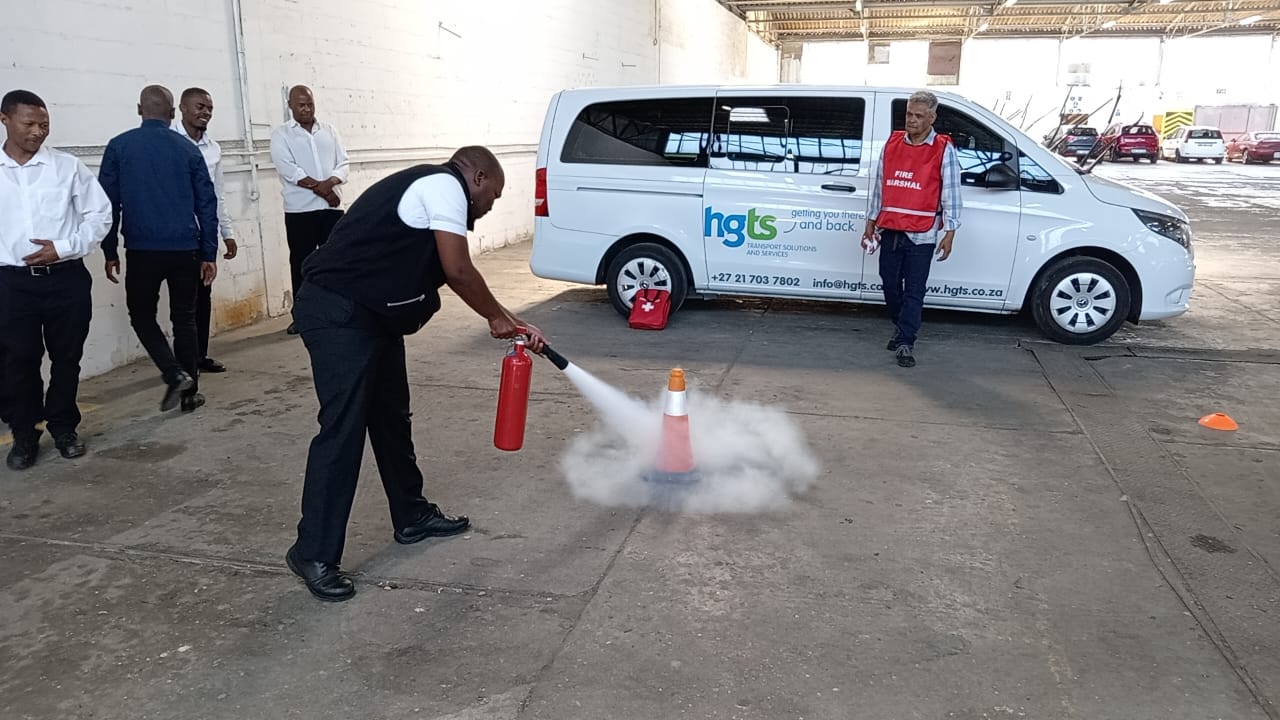
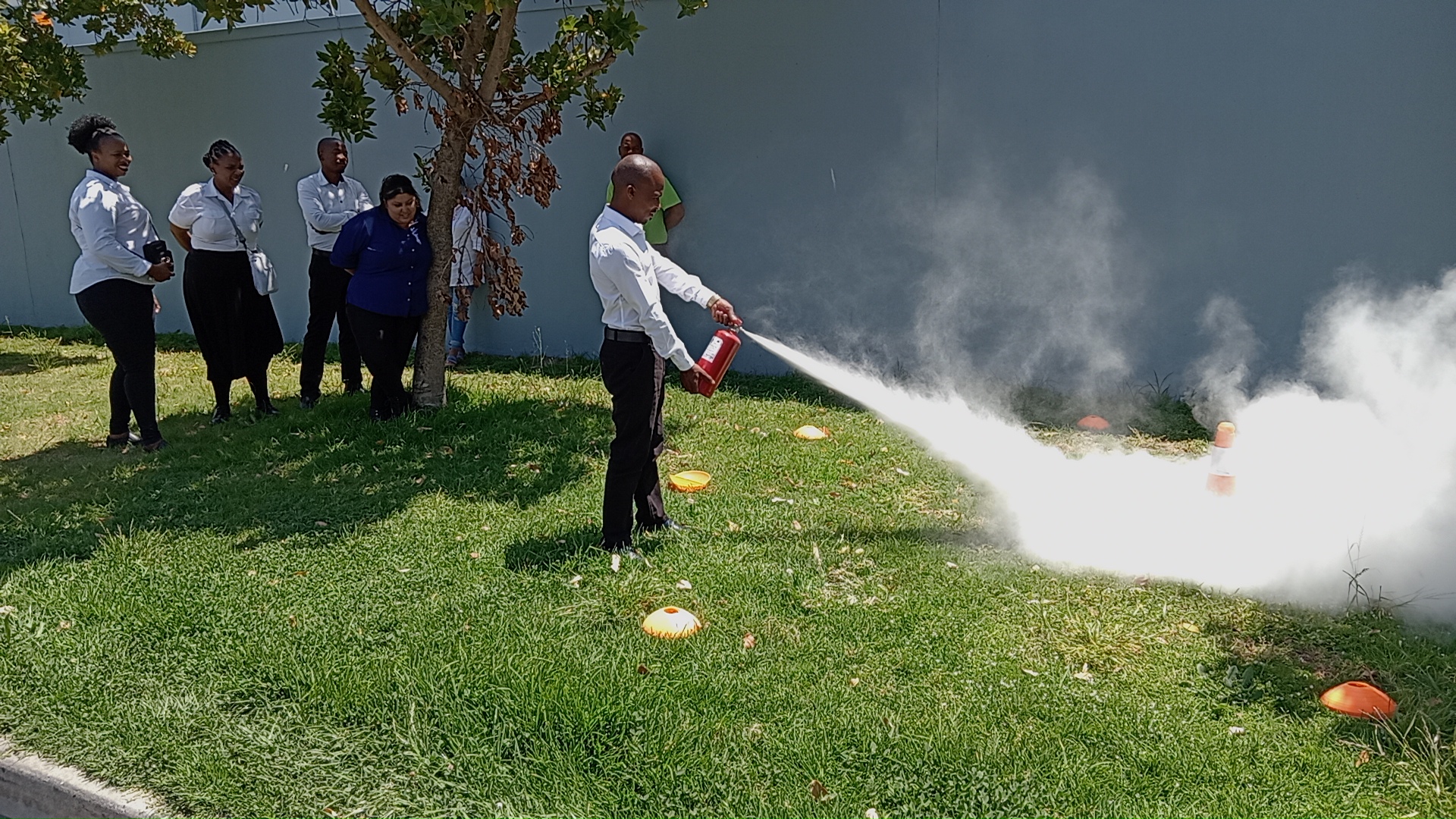
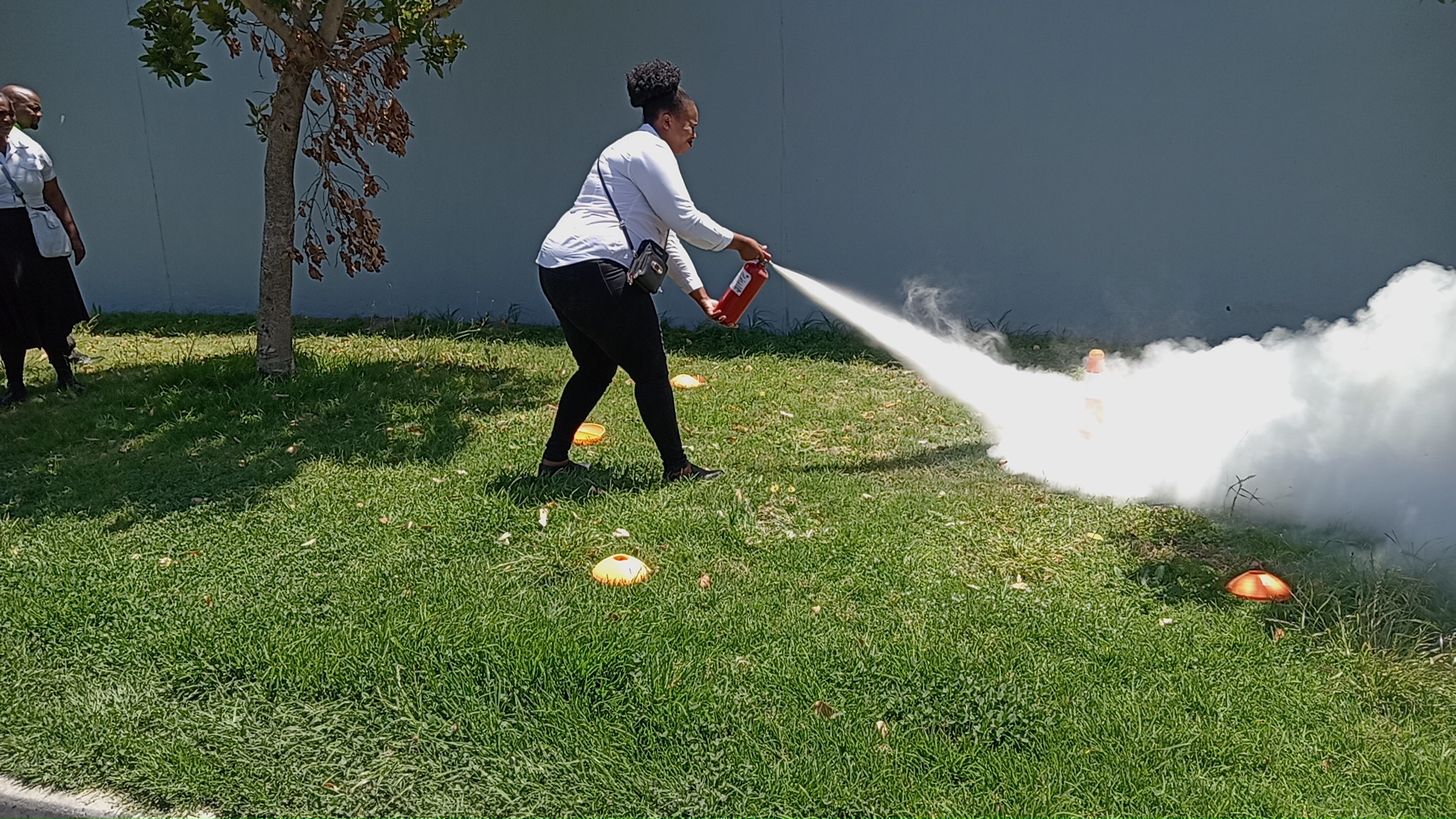
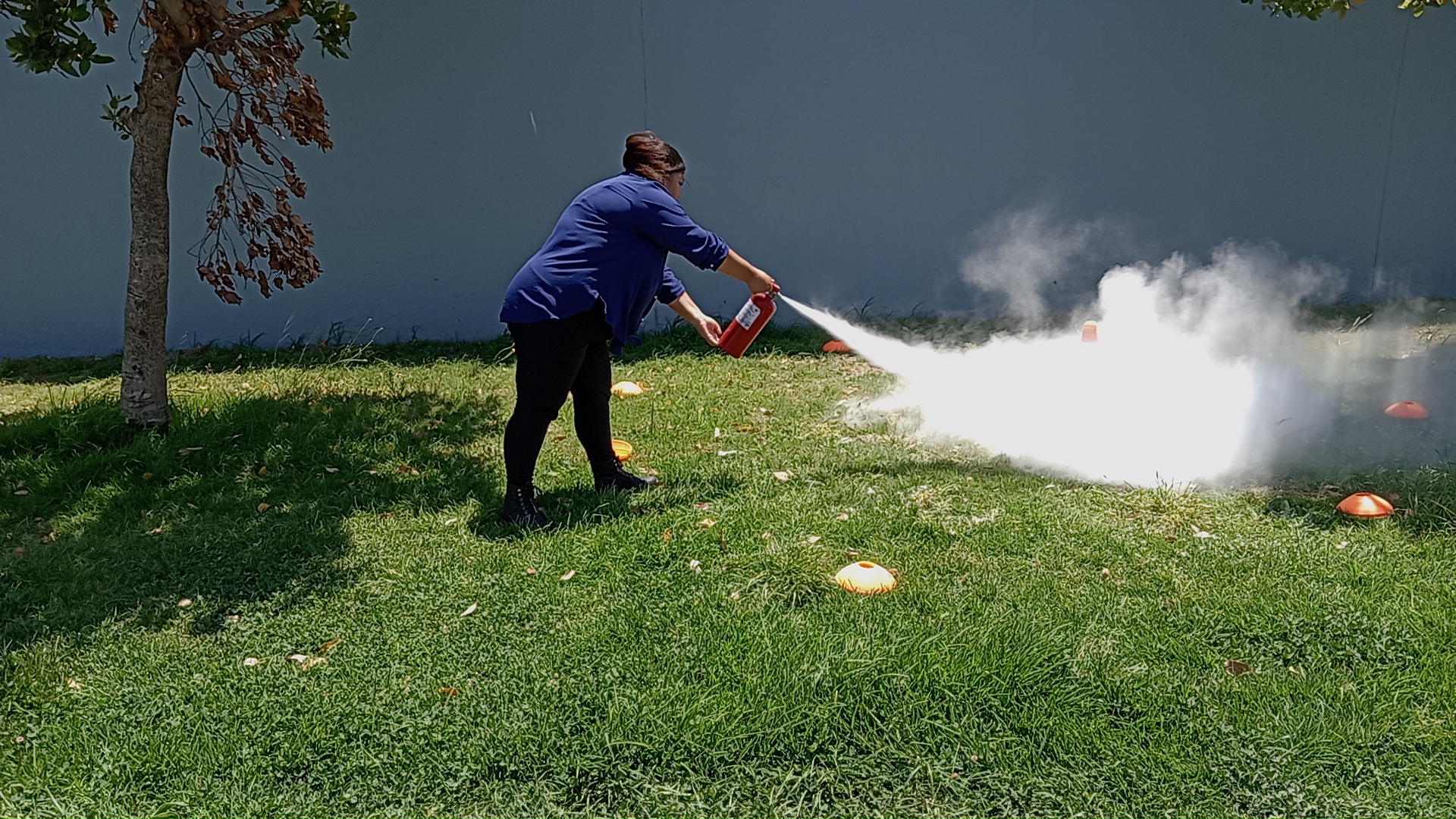
- Select and safely use portable fire extinguishers
- Read and understand extinguisher markings
- Apply correct fire streams and fire control techniques
- Perform fire-fighting safety checks and work effectively as part of a team
- Understand water supply systems, hydrant markings, and hose laying
- Evacuate safely and move through smoke conditions
- Identify risks related to fire-fighting equipment and apply control measures
- Support fire prevention measures and emergency management plans
- Respond to fire incidents safely without exposing themselves or others to unnecessary risk
Course Benefits
- Reduces workplace fire risks and incidents
- Improves emergency preparedness and response
- Builds confidence in using fire-fighting equipment
- Supports compliance with occupational health and safety requirements
- Promotes a proactive fire prevention culture
- Helps protect lives, infrastructure, and business operations