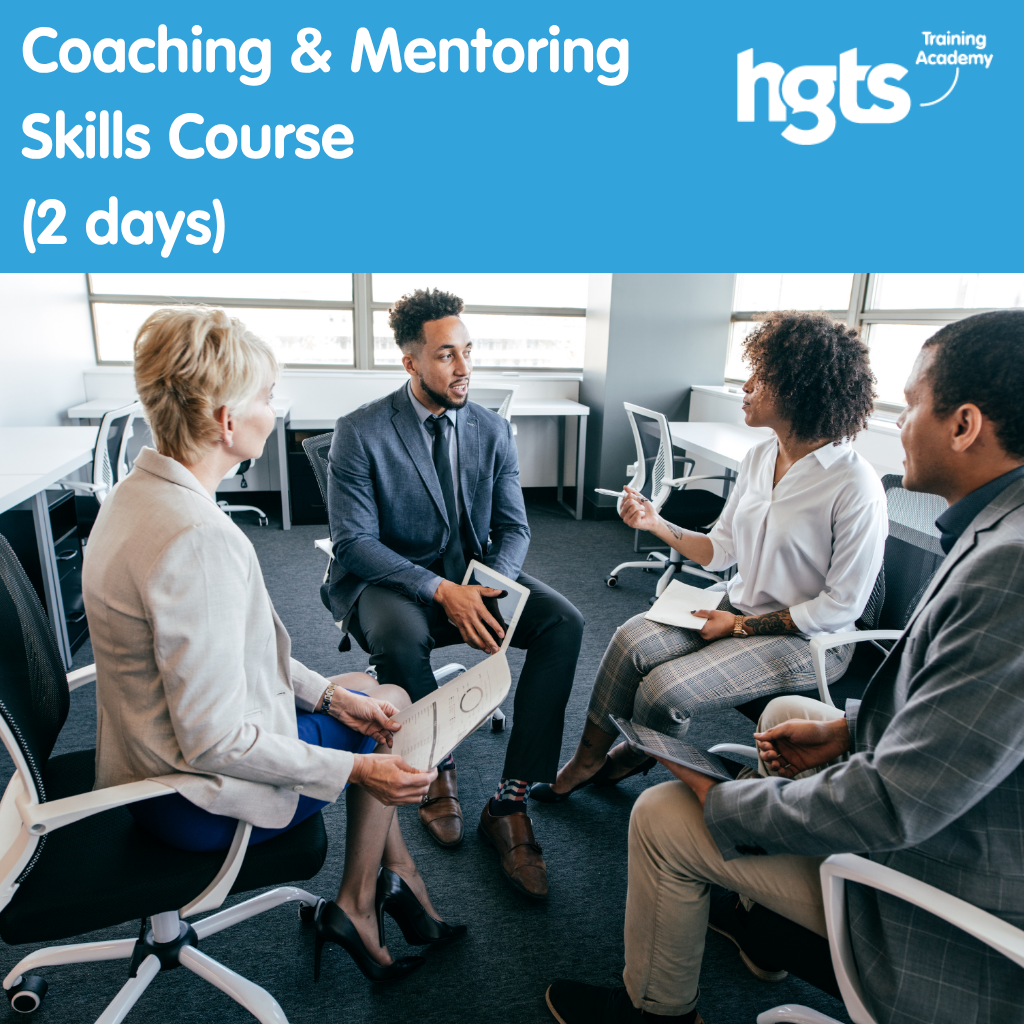
Description
Duration: Typically delivered over 2 days, depending on practical coaching practice and organisational needs.
Learning Outcomes
After completing this programme, participants will be able to:
- Understand Coaching and Mentoring Foundations
- Define coaching and its purpose
- Explain the case for internal coaching in modern organisations
- Distinguish coaching from mentoring, counselling, psychotherapy, training and psychiatry
- Understand the different types of mentoring (sponsorship vs developmental)
- Apply Coaching Principles and Competencies
- Use the International Coaching Federation (ICF) core competencies
- Demonstrate the six principles of effective coaching
- Identify the characteristics and profile of an exceptional coach
- Understand ethical practice, boundaries and contracting
- Build Powerful Coaching Relationships
- Match coach–coachee personalities and communication styles
- Establish trust, rapport and psychological safety
- Work with values, drivers, life balance and personal motivations
- Strengthen self‑awareness using tools like the Johari Window
- Use Coaching Models and Processes
- Apply the coaching relationship phases (data gathering, feedback, coaching sessions, evaluation)
- Use the GROW Model effectively: Goal, Reality, Options, Way Forward
- Facilitate structured coaching conversations
- Support goal setting and action planning using SMART techniques
- Master Coaching Communication Skills
- Ask powerful, non‑leading questions
- Avoid coaching traps such as “advice in disguise”
- Demonstrate authentic listening
- Summarise, clarify and reflect meaningfully
- Use body language and presence deliberately
- Implement Mentoring Effectively
- Understand mentoring roles, responsibilities and boundaries
- Prepare, launch and support a mentoring programme
- Recognise common mentoring breakdowns and prevent them
- Maintain trust, confidentiality and professionalism
Course Modules
Module 1: Preparing to Coach and Mentor Effectively
- What coaching is and isn’t
- Internal coaching and organisational benefits
- Coaching vs mentoring vs counselling
- Types of mentoring
Module 2: Coaching Principles and Skills
- ICF coaching competencies
- Six principles of coaching
- Coach’s profile and characteristics
- Benefits to mentees, mentors and the organisation
- Reasons internal coaching fails
- Ethics and contracting
- Key coaching skills (self‑awareness, trust building, listening, language)
Module 3: Developing the Coach–Coachee Relationship
- Matching personalities and communication styles
- Understanding values, drivers and motivation
- Life Balance Wheel analysis
- Linking values to goals and action plans
- Accountability and relationship‑building considerations
Module 4: The Coaching and Mentoring Process
- Phases of the coaching relationship
- The coaching process (contracting to evaluation)
- The GROW Model
- Effective questioning and reflective dialogue
- Preparing, supporting and sustaining mentoring programmes
- Handling mentoring breakdowns
Training Methodology
- Practical coaching conversations
- Case studies and scenarios
- Role‑plays using real workplace examples
- Self‑reflection and coaching journals
- Partner and triad activities
- Use of coaching tools and templates
Entry requirements
- Grade 10
- Basic English literacy