Description
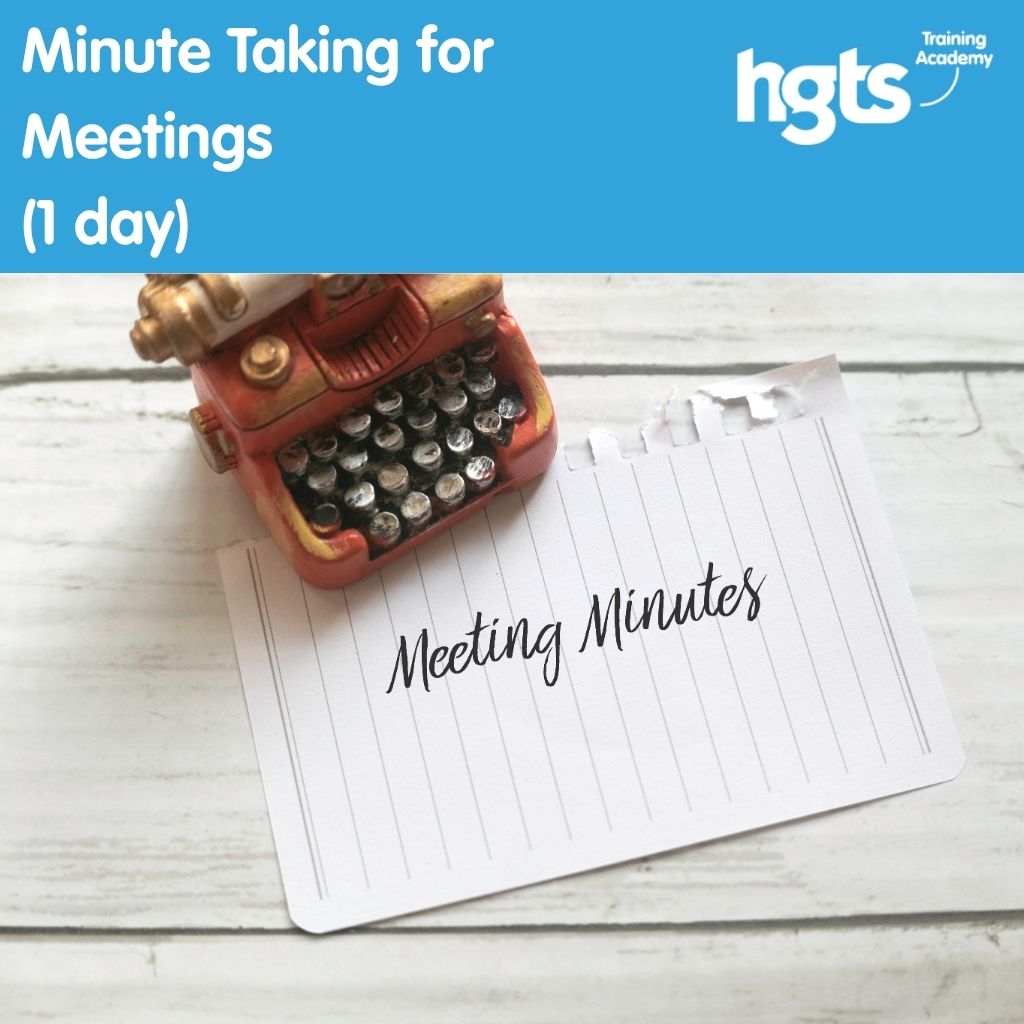
Duration: Delivered over 1 day (or can be expanded to 2 days with extended practical activities).
Learning Outcomes
By the end of the course, learners will be able to:
- Understand meeting structures and purpose
- Identify different types of meetings (formal, informal, board, committee, AGM, ad hoc)
- Understand the legal requirements of meetings
- Interpret key meeting terminology and procedures
- Prepare effectively before a meeting
- Create professional agendas in correct sequence and format
- Prepare notices of meetings and required documentation
- Ensure correct venue setup, attendance registers and reporting material
- Clarify responsibilities with the chairperson
- Apply correct meeting protocol
- Understand the roles of the chairperson, secretary and committee members
- Ensure validity of meetings (notice, quorum, procedures)
- Navigate motions, amendments, voting, resolutions and procedural matters
- Take accurate, concise and objective minutes
- Capture key decisions, actions, motions and responsibilities
- Distinguish between discussion points and actionable outcomes
- Apply the correct style of minutes:
- Narrative minutes
- Action minutes
- Resolution minutes
- Verbatim minutes
- Factual minutes
- Write in past tense using correct reported speech
- Use clear language, structure, numbering and formatting
- Produce and distribute professional minutes
- Draft minutes promptly and accurately
- Format minutes with headings, action columns, attendance lists and signature sections
- Understand minute book requirements and legal implications
- Follow correct methods for distribution, confidentiality and record keeping
Course Modules
- Introduction to Minute Taking & Meeting Objectives
- Preparing Agendas and Notices
- Meeting Procedures, Protocols and Roles
- Understanding Types and Styles of Minutes
- Recording, Drafting and Editing Minutes
- Minute Books, Filing and Distribution
- Practical Exercises: Writing Minutes from Real Discussions
Entry Requirements
No formal requirements. Basic literacy and English comprehension recommended.
Delivery Method
- Classroom training
- Virtual or blended
- Practical role‑play sessions
- Real‑life meeting simulations
- Hands‑on minute writing exercises